


NYC Cooling Tower Annual Certification: A Complete Compliance Guide
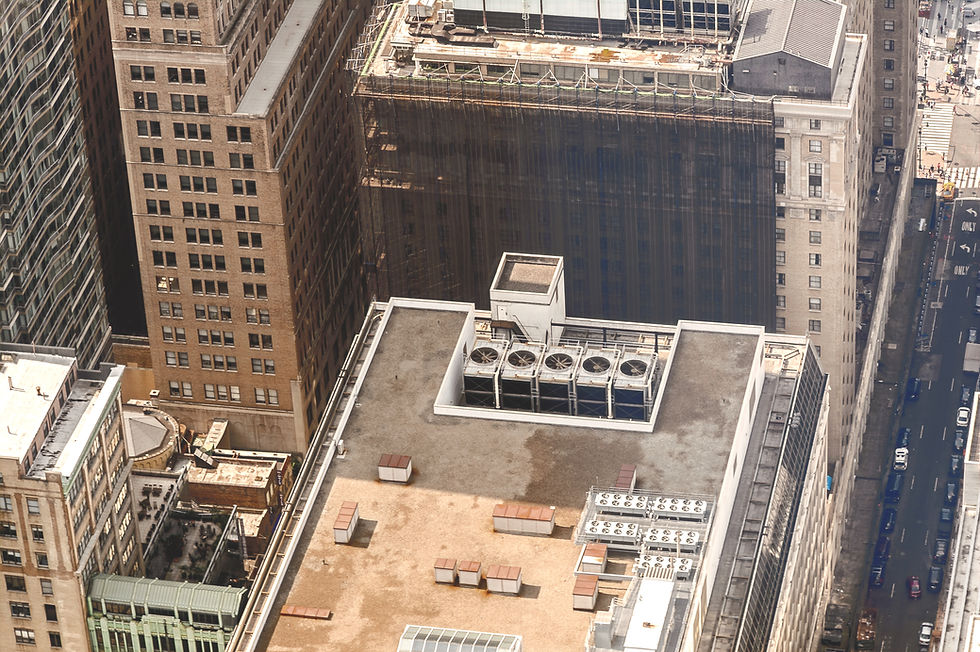
As a building owner or property manager in NYC, understanding the Cooling Tower Annual Certification process is critical. New York City law (Local Law 77 of 2015) requires all cooling towers, evaporative condensers, and fluid coolers to be registered and maintained to prevent Legionella bacteria outbreaks. Every year, owners must submit an annual certification by November 1 confirming each cooling tower was inspected, tested, cleaned, and disinfected according to the regulations. Failing to comply can lead to serious health risks and legal penalties, civil fines range from $250 up to $2,000 per violation for neglecting required maintenance or certifications. In this guide, we’ll explain how to avoid fines by staying compliant, why your Maintenance Program and Plan (MPP) is the backbone of certification, how to prepare for annual inspections, and answer frequently asked questions about NYC cooling tower rules.
How to Avoid Costly Fines Through Compliance
New York City imposes strict penalties for cooling tower non-compliance, so it’s far cheaper (and smarter) to follow the rules than to pay fines. To avoid violations, make sure you:
Register and Certify on Time: All cooling towers must be registered in the NYC
Cooling Tower Portal, and an Annual Certification must be submitted by November 1 every year. Missing the Nov 1 deadline or failing to certify can result in fines up to $2,000 for a first violation (and up to $5,000 for repeats). In one high-profile case, a building owner was fined $118,000 for 225 violations across 45 towers – a stark reminder that fines add up quickly when compliance lapses. File your annual certification on time to avoid needless penalties.
Maintain a Compliant MPP: You are required by law to develop and implement a Maintenance Program and Plan (MPP) specific to your cooling tower. Not having an MPP at all can trigger a $1,000 fine, and even an incomplete plan or one not kept
on-site is a violation (penalized around $500). The annual certification explicitly asks you to affirm that you have an MPP and are following it. Your MPP is the backbone of your compliance, more on this below.
Perform Regular Inspections and Monitoring: NYC rules mandate routine monitoring of water quality at least once a week, with readings of key parameters (like disinfectant levels) and weekly bacterial indicator tests. You also must conduct and document a compliance inspection at least once every 90 days during cooling season. Skipping these checks is a common violation (e.g. not doing the 90-day inspection carries a $500 fine). Additionally, Legionella bacteria sampling is required at least every 90 days while the system is in operation. Make sure you or your water treatment provider stay on top of these schedules to avoid citations.
Keep up with Cleaning and Water Treatment: Proper water treatment and twice-yearly tower cleanings are required to control bacteria. Towers must be cleaned and disinfected at start-up and shutdown (or every six months) at minimum. Failure to clean as required is a violation ($500 fine first offense). Regular cleaning, along with chemical water treatment to prevent scale and biofilm, not only keeps your system efficient but also keeps you in compliance. Neglected towers can even be ordered shut down by authorities if they pose a health hazard.
Document Everything for 3 Years: Maintaining thorough records is not optional, it’s mandated. You should log all inspections, tests, maintenance, cleanings, disinfections, and any corrective actions in a cooling tower log book or digital system. These records must be kept for at least three years and be available on-site for inspectors. If you can’t produce records during an inspection, you’ll likely receive a violation. Good recordkeeping is your best defense to prove that you’ve been in full compliance all along.
By proactively adhering to these practices, you’ll protect building occupants from Legionella and also protect your business from fines or legal liability. NYC authorities take cooling tower compliance very seriously in order to prevent Legionnaires’ disease outbreaks, so a strong compliance routine is truly in your best interest.
The Maintenance Program and Plan (MPP): Your Compliance Backbone
One of the first things any NYC cooling tower inspector will ask for is your Maintenance Program and Plan (MPP). The MPP is essentially the playbook for how you maintain safe cooling tower operations. NYC law requires that a “qualified person” develop and implement the MPP for your tower. This typically means you should hire a water treatment professional or certified consultant experienced with Legionella control to write your plan.
What exactly is an MPP? It’s a comprehensive, written plan that describes all the operational and administrative strategies you follow to prevent Legionella growth in your cooling tower. A good MPP will include:
Detailed maintenance schedules (what tasks are done daily, weekly, monthly, quarterly, and annually).
Water treatment protocols – e.g. continuous biocide feed or chemical levels to maintain, and what backup measures are in place.
Inspection and monitoring procedures – who will do weekly checks and 90-day inspections, how findings are recorded.
Cleaning and disinfection procedures – how often cleaning is performed (at least twice a year) and the steps for proper disinfection (sometimes called hyperhalogenation).
Legionella testing plan – frequency of Legionella culture tests (at least every 3 months in operation) and the specific labs/methods used.
Corrective action plans – what you’ll do if test results are out of spec (e.g. elevated bacteria counts or a Legionella positive result), including notification requirements.
Responsibilities and training – who is responsible for each task (names of staff or contractors) and confirmation that they are properly trained to perform those duties.
Think of the MPP as the blueprint for compliance. Your Annual Certification submission is

basically an attestation that you have followed your MPP and the city’s rules throughout the year. If your MPP is well-crafted and you actually adhere to it, the certification process becomes straightforward – you’re simply reporting that everything required was done according to plan. On the other hand, if you lack a solid MPP or ignore its protocols, non-compliance (and fines) are almost guaranteed.
Always keep a copy of your MPP on the premises (or easily accessible digitally). City inspectors will ask to see it, and if it’s not available or incomplete, you can be cited on the spot. It’s wise to review and update the MPP annually or whenever system changes occur. An outdated plan is nearly as bad as no plan at all. Remember: your MPP is the backbone of your cooling tower’s safety and compliance program, invest the time to get it right, and get professional help if needed.
Preparing for Your Cooling Tower’s Annual Inspection
Aside from filing the annual certification paperwork, NYC’s Department of Health (DOH) also conducts periodic on-site inspections of cooling tower systems. These inspections are unannounced and not scheduled. In these inspections, DOH officials will physically inspect your cooling tower and review your records to ensure you’re following regulations. Being well-prepared can make this inspection a smooth experience instead of a stressful one. Here’s how to prepare for an annual cooling tower inspection:
Review Your MPP and Records Ahead of Time: Be sure to complete an internal audit. Pull out your MPP and verify that all required tasks have been completed and logged. Check your log books or digital records for any gaps. Make sure you have documentation for weekly water tests, weekly visual inspections, quarterly 90-day compliance inspections, cleanings, and any repairs. If something was missed, address it immediately (e.g. perform a late inspection and document why it was delayed). Having a neatly organized record binder or electronic log is key, it shows inspectors you take compliance seriously.
Ensure the Tower is in Good Condition: Do a thorough physical inspection of the cooling tower system beforehand. Inspect all components: the basin, fill media, drift eliminators, fans, pumps, piping, etc. – for any issues like excessive corrosion, scale buildup, algae, or debris. Clean and disinfect the tower if needed so it looks well-maintained (if it’s been a few months since the last cleaning, consider doing one before inspection). Also verify that required signage is posted, such as the cooling tower registration number at the tower. Little details like signage are easy to overlook but are part of compliance.
Compile Required Documentation: An inspector will typically ask to see specific documents. Be ready to provide:
Your MPP document (latest version).
Recent inspection reports (the 90-day compliance inspection reports by your qualified professional).
Water treatment logs and test results (including daily/weekly measurements of pH, disinfectant, temperature, and weekly bacteria dip-slide results, as well as quarterly Legionella test reports).
Certificates of cleaning and disinfection from your vendor (NYC requires that after each cleaning, you obtain a certificate from the person who did it and keep it on file).
Training records or certifications for any in-house staff who perform tower maintenance (to show they are appropriately trained).
Having these documents readily accessible (in a binder or PDF folder) will impress the inspector and speed up the process. If you have gone digital (many building managers now use cloud-based compliance software), ensure you can quickly pull up the records on a tablet or print them if needed.
Perform a Pre-Inspection with Your Water Treatment Partner: It’s often beneficial to have your water treatment service provider or consultant do a walk-through inspection with you ahead of the official one. They can identify any deficiencies that an inspector might flag, for example, missing log entries, a biofilm issue in the basin, or a forgotten task in the MPP and help you correct them proactively. This is like a dress rehearsal that can catch problems before the “real” inspection. Many providers include periodic compliance audits as part of their service because they know it helps clients avoid violations.
Be Present and Responsive During Inspection: On the day of the DOH inspection, ensure a knowledgeable person (you or your designated responsible engineer) is available to accompany the inspector. Be prepared to answer questions about the tower’s operation and maintenance. Inspectors will often ask about recent issues or Legionella test results. If you had any high bacteria counts or Legionella detections during the year, explain the corrective actions you took (and show documentation). Honesty and a proactive attitude go a long way. If a minor issue is pointed out, take note and commit to fixing it. The goal is to demonstrate that you are an attentive and responsible tower owner who prioritizes safety.
When you prepare in this way, annual inspections become far less daunting. Many violations are fully preventable with a bit of foresight and organization. Remember, the DOH inspectors aren’t just looking to issue fines, they ultimately want to see that your tower isn’t posing a health risk. By keeping your system clean, following your MPP, and maintaining impeccable records, you convey that your building is meeting that goal. This will help you sail through the annual certification and inspection process with confidence.
NYC Cooling Tower Annual Certification FAQ

Q: When is the NYC annual cooling tower certification due each year?
A: The certification must be submitted by November 1 every year through the NYC Cooling Tower Registration Portal. You need to certify that each cooling tower under your care was properly inspected, tested, cleaned, and maintained in accordance with the law during the past year. Missing this deadline can lead to fines (up to $2,000 for a first offense), so mark your calendar and plan ahead. If your tower is not in use or shut down, you still must log into the portal and submit a “Statement of Non-Operation” by Nov 1 to avoid violations.
Q: Who is qualified to prepare and submit the annual certification?
A: The certification statement should be prepared or approved by a “qualified responsible person.” Typically, this is your water treatment service provider, environmental consultant, or a certified water treatment professional who manages your cooling tower program. It could also be the owner or a property manager designee if that person has undergone training in the NYC cooling tower requirements. Most building owners rely on their water treatment company to handle the paperwork, since they are most familiar with the tower’s maintenance records. However, the owner is ultimately responsible for ensuring it gets done correctly and on time.
Q: What exactly do I certify in the Annual Certification?
A: By submitting the annual certification, you are attesting that you have complied with all NYC cooling tower maintenance requirements for the past year. You confirm that:
– The cooling tower was inspected and tested regularly (as required, e.g. 90-day compliance inspections and routine monitoring were done).
– All required cleanings and disinfections were performed (at least twice a year and whenever needed)
– Water treatment was maintained continuously (with an automatic system or equivalent, and using only registered biocides) to keep water quality in check.
– Legionella sampling was conducted at least once every 3 months while in operation, and any issues were addressed promptly.
– A maintenance program (MPP) is in place and was followed, and all records are up to date.
The certification basically wraps up all these points into one statement. Falsely certifying can lead to serious legal trouble, so make sure it’s truthful. If you know something was missed, fix it before filing the cert if possible and document the late corrective action.
Q: What are the penalties for non-compliance?
A: Penalties in NYC can be steep. Failure to register a tower or file the annual certification by Nov 1 can result in fines up to $2,000 for the first violation and $5,000 for repeat violations. On top of that, there are fines for each specific maintenance lapse. For instance, not having an MPP is $1,000, not doing weekly water quality tests is about $500, skipping a required inspection is $500, and not performing Legionella tests or reporting results can be $1,000–$2,000 per instance. These fines might be issued as individual summonses for each missed item, so they can add up quickly. In the worst-case scenario, if a lack of maintenance leads to a Legionnaires’ disease outbreak – criminal charges could even be on the table, and the city can shut down your cooling tower operation. Bottom line: staying compliant not only avoids fines, it also avoids endangering public health.
Q: What is a Maintenance Program and Plan (MPP), and do I really need one?
A: The MPP is a legally required document that outlines how you will monitor and maintain your cooling tower to prevent Legionella. Yes, you absolutely need one; every cooling tower in NYC must have a site-specific MPP. Think of it as a water safety plan for your tower. It should be created by a qualified professional and must cover all the required elements (from schedules of inspections and cleanings to water treatment procedures and responsibilities, as discussed above). Not only is an MPP required by law, but it is also your best tool for keeping the system safe and running efficiently. During inspections, officials will ask to see your MPP and check if you’re following it. A tower without a proper MPP is almost guaranteed to receive a violation. The MPP is the foundation of cooling tower compliance, it’s a practical guide that you follow daily and weekly to ensure safe operation.
Q: How should I handle cooling tower compliance if my tower is seasonal or temporarily shut down?
A: Seasonal towers (that only run part of the year) still have to meet key requirements. If a tower is shut down for winter, you should perform a proper shutdown cleaning and disinfection at season’s end, update the NYS registry with the shutdown date, and then file a “statement of non-operation” in the NYC portal by Nov 1. While the tower is offline, you don’t need weekly testing (since it’s drained and not in use), but you must ensure it’s truly out of service (drained dry, so no stagnant water). Before restarting in the spring, regulations require you to clean and disinfect the tower again before use. In the annual certification, you’ll indicate that the tower was seasonal and that all start-up/shutdown procedures were done. If a tower is mothballed or permanently decommissioned, you must formally report that as well (via the portal) and physically disable or remove the unit. Always refer to your MPP’s section on seasonal operation for the specific steps, and don’t forget the Nov 1 certification filing even if the tower wasn’t running, otherwise the city assumes you failed to certify.
Q: Any tips for staying on top of cooling tower compliance throughout the year?
A: A few best practices can make life much easier:
- Mark your calendar with all key tasks and deadlines. As an example, a compliant schedule will include: weekly testing and checks, monthly or biweekly reviews of results, 90 day comprehensive inspections (4 per year, roughly), biannual cleanings (spring start-up and fall shutdown), and the annual certification by Nov 1. Many owners set reminders or use software to track these recurring tasks so nothing slips through the cracks.
- Use a digital log system if possible. Traditional log books work, but digital systems (or even spreadsheets) can send alerts for due tasks, automatically compile reports, and ensure you don’t lose records. NYC allows electronic recordkeeping, just be ready to show it to inspectors on a screen or printout.
- Work with a reliable water treatment service provider. A good vendor will not only treat the water but also help with Legionella testing, documentation, and compliance guidance. They often keep you informed of rule changes, perform the required inspections, and can even handle the annual certification submission for you. They become your partner in staying compliant.
- Stay informed. NYC and NY State health departments publish useful guidelines and FAQs. It’s worth reading the official NYC Cooling Towers FAQ and any updates the Health Department sends out. Regulations can evolve, and being aware of changes (like new testing methods or updated penalty schedules) will help you adjust your maintenance plan accordingly.
- Never ignore an issue. If testing shows high bacteria counts or a small Legionella hit, act immediately, clean, hyperchlorinate, repair, whatever is needed, and document it. Prompt action can prevent a minor problem from turning into a major violation (or health event). Also, if you ever receive an Inspection Summary Report or violation notice from the city, address every item and cure what you can before the OATH hearing date to potentially reduce penalties.
By following these tips, cooling tower compliance becomes a routine part of property management rather than a last-minute scramble. Consistency is key – legionella control is a year-round effort, not just an annual paperwork exercise.
NuChem is here to help!
Keeping your cooling tower in compliance with NYC’s annual certification requirements ensures the safety of your building’s occupants and the community. By implementing a robust MPP, staying diligent with maintenance and testing, and preparing ahead for inspections, you can operate your cooling tower with confidence and peace of mind. The regulations might seem complex, but with the right partner and plan in place, compliance becomes second nature.
NuChem Corp is here to help. With over 30 years of experience in the chemical treatment of water systems and expertise in local regulations and mandatory compliance in NYC, our team can guide you through every step of the process. Whether you need a compliant Maintenance Program and Plan, routine water treatment services, or assistance with the annual certification, we’ve got you covered. Don’t leave your building at risk of violations or outbreaks, let our experienced professionals ensure your cooling tower meets all requirements year-round.
Contact NuChem Corp today to schedule a compliance consultation or service visit. We’ll work with you to create a tailored plan that keeps your cooling tower safe, efficient, and 100% NYC compliant. Stay ahead of the regulations and avoid fines with NuChem as your water treatment partner, cooling tower compliance is simplified. Get in touch with us now to protect your building and everyone who depends on it!
Content on the NuChem Corp Blog is for informational purposes only and does not replace professional advice. External sites linked are provided for convenience; NuChem Corp is not responsible for their accuracy or content.


Comments